Ahmed Glaucoma Valve (AGV) Surgery Cost in India (One Eye)
Assistance
Consultation
Services
Opinion
Care Coordination
What will your treatment cost?

| Surgery Name | Cost | Room | Hospitalization |
|---|---|---|---|
| Ahmed Glaucoma Valve (AGV) Surgery Cost in India (One Eye) | USD 1,500 - 1,700 | Private | Daycare |
✓ Inclusion
Room tariff (for the specified period), Surgeon's fees, O.T. charges, Anaesthesia charges, Basic Investigations related to the surgery.
✗ Exclusion
Overstay more than package days, Additional charges in case of inter-disciplinary consultations, Additional procedure costs, Use of special drugs/ consumables/ blood components
Know More About Procedure & Surgery
🇮🇳 Medical Package — India
AGV implantation glaucoma surgery cost in india
World-class treatment • NABH & JCI Accredited Hospitals • Save up to 80% vs USA/UK
Ahmed Glaucoma Valve (AGV) Surgery Pricing: USD 1500 – 1700 approximately, per eye. A separate pre-surgery evaluation is USD 100 – 150 approximately. Contact us for a personalized quote based on your reports.
🤖 What is Glaucoma?
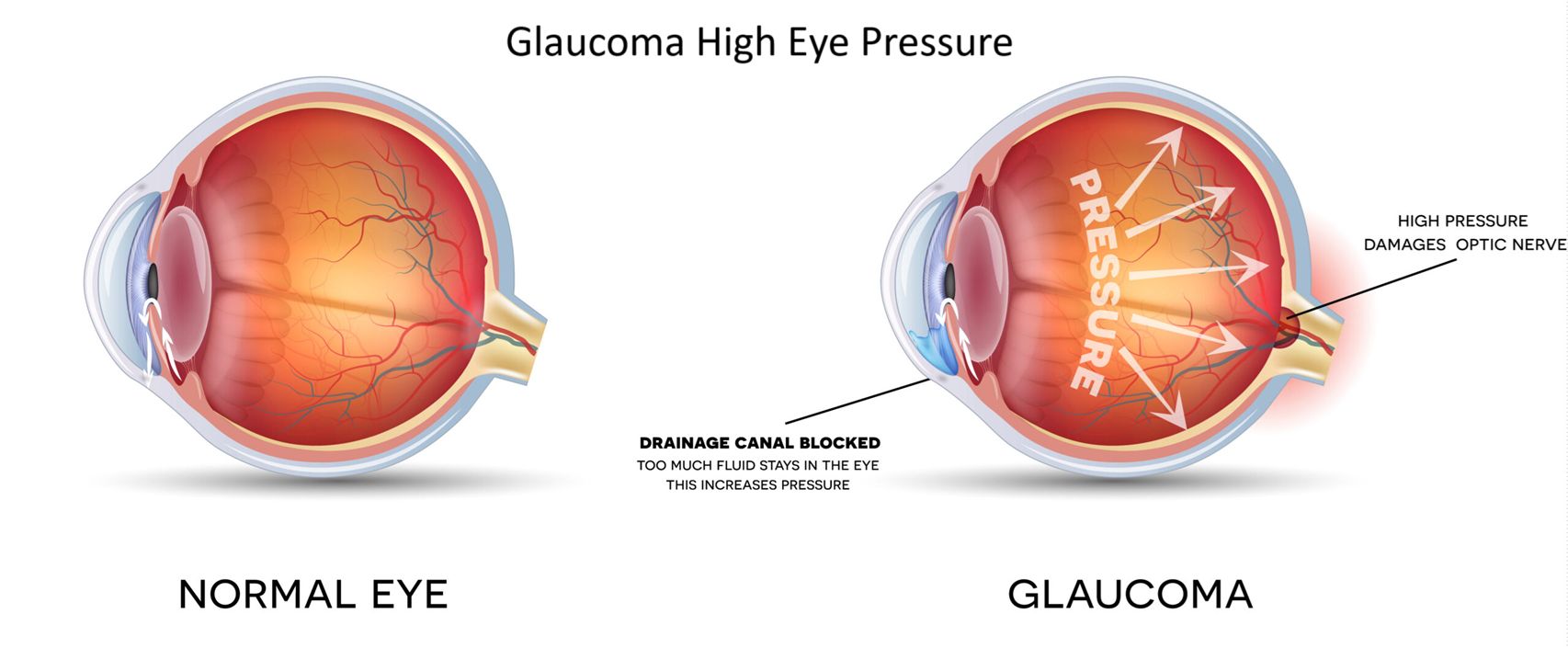
Glaucoma is an eye disease that damages the optic nerve, often due to high pressure inside the eye (intraocular pressure or IOP). If left untreated, it can lead to irreversible vision loss and blindness.
🤖 What is an Ahmed Glaucoma Valve (AGV)?
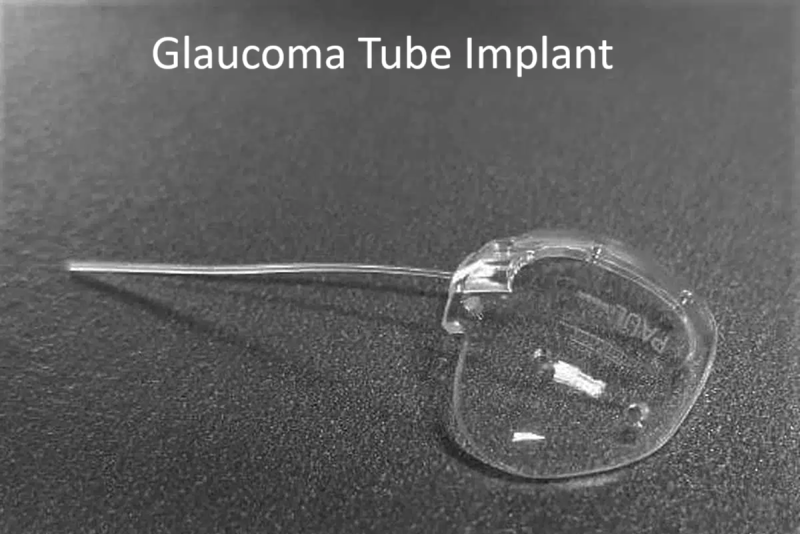
The Ahmed Glaucoma Valve (AGV) is a small, valved drainage device implanted in the eye to help control intraocular pressure (IOP) in patients whose glaucoma hasn't responded well to medications or other surgeries. It's designed to create an alternative pathway for the fluid (aqueous humor) inside your eye to drain, thereby reducing pressure. The valve mechanism in the AGV helps regulate this fluid flow, minimizing the risk of the eye pressure dropping too low.
❓ Why is AGV Implantation Recommended?
AGV implantation is typically recommended for:
- ✓Refractory Glaucoma: This refers to glaucoma that is difficult to control with conventional treatments like eye drops or laser therapy.
- ✓Previous Failed Glaucoma Surgeries: If other glaucoma surgeries, such as trabeculectomy, have not been successful in lowering IOP.
- ✓Specific Types of Glaucoma: It's often used in complex cases like neovascular glaucoma (glaucoma caused by abnormal blood vessel growth), uveitic glaucoma (glaucoma associated with eye inflammation), or congenital glaucoma.
💉 How is AGV Implantation Surgery Performed?
- 1Preparation: The surgery is typically an outpatient procedure, meaning you can go home the same day. Local anesthesia is used to numb the eye, and you may receive a sedative to help you relax.
- 2Incision and Placement: A small incision is made in the conjunctiva (the thin membrane covering the white part of the eye) to access the implantation site, usually in the upper-outer (superotemporal) quadrant of the eye.
- 3Implant Insertion: The plate of the AGV is placed on the surface of the sclera (the white part of the eye), usually under the conjunctiva so it's not visible or felt.
- 4Tube Insertion: A small, flexible silicone tube attached to the plate is carefully inserted into the anterior chamber (front part) of the eye. This tube allows the fluid to drain.
- 5Securing the Implant: The implant is secured, and the incision is closed with sutures.
- 6Protective Measures: A protective eye shield may be applied to prevent injury after surgery.
The procedure usually takes about 45 minutes to an hour.
Recovery After AGV Surgery
- ✓Mild discomfort or redness for a few days
- ✓Use of antibiotic and steroid eye drops for 4–6 weeks
- ✓Vision may be temporarily blurred
- ✓Most patients can resume normal activities in 1–2 weeks
- ✓Full recovery within 4–6 weeks
✅ Benefits of AGV Implantation
- ✓Effective IOP Control: The primary benefit is a significant reduction in intraocular pressure, which helps prevent further damage to the optic nerve and preserves vision.
- ✓Reduced Risk of Overdrainage (Hypotony): The unique valve mechanism helps regulate fluid flow, lowering the risk of abnormally low eye pressure, which can be a complication of other glaucoma surgeries.
- ✓Versatility: Suitable for various types of glaucoma, including those resistant to standard therapies.
- ✓Relatively Quick Recovery: Compared to some other glaucoma surgeries, the recovery time can be relatively fast, allowing for a quicker return to normal activities.
⚠ Risks and Potential Complications
While AGV implantation is generally safe and effective, like any surgery, it carries potential risks:
- ✓Hypertensive Phase: A temporary increase in IOP can occur in the early post-operative period (typically 3-6 weeks after surgery) due to the formation of a fibrous capsule around the implant. This usually resolves within 6 months.
- ✓Hypotony: Although less common with AGV due to its valve, abnormally low eye pressure can still occur.
- ✓Infection (Endophthalmitis): A serious but rare complication that can occur months to years after surgery. Prompt medical attention is crucial if signs of infection appear (severe pain, worsening redness, pus/discharge, decreasing vision).
- ✓Excessive Capsule Fibrosis: Scar tissue can form around the plate, sometimes requiring further intervention.
- ✓Tube or Plate Exposure: The implant or tube can become exposed through the conjunctiva, increasing the risk of infection.
- ✓Corneal Decompensation/Edema: Swelling of the cornea.
- ✓Bleeding inside the eye (Hyphema).
- ✓Fluid buildup behind the retina (Choroidal detachment).
- ✓Double vision (Diplopia) or Strabismus (misalignment of the eyes) with some implant types.
- ✓Lens damage or cataract formation.
- ✓Need for further glaucoma medications: While many patients reduce or eliminate eye drops, some may still require them to maintain target IOP.
- ✓Need for revision surgery: In some cases, the valve may need to be revised or replaced.
Your surgeon will discuss these risks with you in detail based on your individual medical history.
🛠 Post-Surgical Recovery
- ✓Immediate Post-Op: You will be closely monitored. Blurry vision, redness, irritation, eyelid swelling, tearing, and a "foreign body sensation" (like sand in the eye) are common temporary effects.
- ✓Eye Drops: You will be prescribed various eye drops (antibiotics, anti-inflammatory, etc.) to prevent infection and control inflammation. It is crucial to use them exactly as directed.
- ✓Eye Protection: You may need to wear a protective eye shield, especially during sleep, to prevent accidental rubbing or bumping.
- ✓Follow-up Appointments: Regular follow-up visits with your eye doctor are essential to monitor healing, assess the implant's function, and adjust your treatment plan. The full recovery process generally spans 4-6 weeks, with initial frequent visits becoming less frequent over several months.
Activity Restrictions:
- ✓Avoid rubbing or touching your eyes.
- ✓Avoid heavy lifting (over 10 pounds), bending over at the waist, strenuous exercise, and straining for several weeks.
- ✓Avoid swimming or using hot tubs for several weeks to prevent infection. Some doctors may advise a lifelong precaution for these activities.
- ✓Most people can resume light daily activities like reading, watching TV, and using electronic devices within the first few days.
- ✓Driving: You won't be able to drive for at least a day after surgery due to sedation. Your doctor will advise when it's safe to resume.
- ✓Avoid eye makeup or face cream for a period.
📅 When to Contact Your Doctor Immediately
Contact your eye doctor without delay if you experience any of the following:
- ✓Severe pain in the eye
- ✓Worsening redness
- ✓Pus or thick discharge from the eye
- ✓Decreasing vision or a sudden shadow in your visual field
- ✓Fever or eye swelling
● Alternatives to AGV Implantation
Before considering AGV implantation, your doctor may have discussed or tried other glaucoma treatments, including:
- ✓Medications: Eye drops to lower IOP.
- ✓Laser Therapy: Procedures like Selective Laser Trabeculoplasty (SLT) or Argon Laser Trabeculoplasty (ALT) to improve fluid drainage
- ✓Trabeculectomy: A traditional incisional surgery that creates a new drainage pathway for fluid. While effective, it can have a higher risk of early hypotony compared to AGV.
- ✓Minimally Invasive Glaucoma Surgery (MIGS): A newer class of procedures that often involve smaller implants and less invasive techniques, typically for earlier or moderate glaucoma cases.
Your ophthalmologist will determine the most suitable treatment option for your specific type and stage of glaucoma.
💉 Frequently Asked Questions (FAQ) about AGV Implantation Glaucoma Surgery
Q1: What is the main goal of AGV implantation surgery?
A1: The primary goal is to lower and control the intraocular pressure (IOP) to prevent further damage to the optic nerve and preserve your vision.
Q2: Is AGV implantation a cure for glaucoma?
A2: No, glaucoma currently has no cure. AGV implantation is a treatment to manage the condition and prevent further vision loss by controlling eye pressure. You will still need regular follow-up with your eye doctor.
.jpg)
Q3: Will I still need eye drops after AGV surgery?
A3: Many patients are able to reduce or even stop some of their glaucoma eye drops after AGV implantation. However, some patients may still require certain medications to maintain their target IOP. Your doctor will guide you on this.
Q4: How long does the AGV implant last?
A4: The Ahmed Glaucoma Valve is designed to be a permanent implant and is expected to remain stable in the eye over the patient's lifetime.
Q5: Will the AGV be visible or felt after surgery?
A5: The plate of the AGV is usually placed under the conjunctiva (the clear membrane over the white part of the eye) and typically under the upper eyelid, so it's generally not visible or felt by the patient.
Q6: What is the "hypertensive phase" and should I be concerned?
A6: The hypertensive phase is a common temporary increase in eye pressure that can occur 3-6 weeks after surgery. It's usually managed with medications and often resolves on its own. Your doctor will monitor for this and treat it if necessary.
Q7: Can I undergo an MRI after AGV implantation?
A7: Yes, the materials used in the Ahmed Glaucoma Valve are generally considered safe for Magnetic Resonance Imaging (MRI). Always inform your healthcare providers about your implant before any MRI procedure.
Q8: How long does it take to recover full vision after AGV surgery?
A8: Blurry vision is common immediately after surgery and usually improves over several weeks. Complete visual recovery depends on individual healing and the pre-existing state of your vision, but can take days to weeks, and sometimes months.
Q9: What activities should I avoid after surgery?
A9: For several weeks, you should avoid rubbing your eye, heavy lifting, strenuous exercise, bending over at the waist, and swimming or using hot tubs. Your doctor will provide specific instructions tailored to your recovery.
Q10: What are the signs of a serious complication or infection after AGV surgery?
A10: Seek immediate medical attention if you experience severe eye pain, worsening redness, pus or thick discharge from the eye, sudden decrease in vision, or a shadow in your visual field.
Q11: How often will I need follow-up appointments after AGV surgery?
FAQ for International Patient .
💉 1. Is AGV surgery painful? No. The surgery is done under anesthesia. Post-op discomfort is mild and manageable.
📄 2. How successful is AGV implantation?70–85% success rate in controlling IOP over 5 years, depending on glaucoma type.
💉 3. Will my vision improve after surgery?The goal is to prevent further vision loss. Lost vision due to optic nerve damage is usually not reversible.
💉 4. Can I travel soon after surgery? Yes. Most international patients can travel back after 5–7 days with clearance from their doctor.
⚠ 5. Are there risks or side effects?As with any surgery, there are risks such as:
- ✓Hypotony (low pressure)
- ✓Infection (endophthalmitis)
- ✓Bleeding
- ✓Tube exposure
- ✓However, these are rare with experienced surgeons.
🔴 6. How long does the AGV last?The valve is designed to last many years, often for life, unless complications require revision.
🔔 7. Can the valve be removed later?Removal is rare and only done if there’s a complication. Most patients live normally with it.
💉 8. Can I fly or exercise after surgery?Light walking is fine after a few days. Avoid lifting, bending, or flying for about 1 week or as advised.
💉 9. Is it covered by international insurance?Some global insurance providers (like Cigna, Bupa, or Allianz) cover AGV surgery if medically indicated. A pre-authorization is needed.
A11: Initially, follow-up appointments are frequent (e.g., the day after surgery, then weekly or every few weeks for 2-3 months). After that, visits become less frequent, but regular lifelong monitoring for glaucoma is necessary.
Interested in AGV Surgery in India?
Satyug Healthcare can assist with:
- ✓Medical visa invitation
- ✓Hospital booking
- ✓Doctor consultation scheduling
- ✓Translation/interpreter support
- ✓Airport pickup & stay arrangements
Free Medical Opinion
Expert review in 48 hours
Best Surgeon
Top specialists in India
Hospital Booking
NABH / JCI accredited
Visa Assistance
Invitation letter provided
Airport Transfer
Safe pickup & drop
Tele-Consultation
Video consult before travel
Hotel Booking
Near hospital, affordable
Multilingual Support
Arabic, French, English
📞 Get Started Today — It Is Free
Ready to Plan Your Treatment in India?
Send your medical reports and get a free expert opinion within 48 hours. Our coordinators speak Arabic, French and English.
Best eye surgeon for glaucoma in India





![Dr. Himanshu R. Mehta [MBBS, MS - Opthalmology, Fellowship - Vitreo Retinal Surgery] - Doctor at Satyug Healthcare](https://satyughealthcare.com/uploads/doctors/6441bec1edd180bbf9aadeb6db120e81.webp)


![Dr. Neha Sharma [MBBS, MS - Ophthalmology] - Doctor at Satyug Healthcare](https://satyughealthcare.com/uploads/doctors/63e03d42a36be56b81c9e71a8ac3ba98.webp)



TOP HOSPITALS
Special High-quality Hospitals


HAPPY PATIENTS
What Our Patients Are Saying

























Our Gallery