Tracheal reconstruction Procedure or Laryngotracheoplasty cost in India
Assistance
Consultation
Services
Opinion
Care Coordination
What will your treatment cost?

| Surgery Name | Cost | Room | Hospitalization |
|---|---|---|---|
| Tracheal reconstruction Procedure or Laryngotracheoplasty cost in India | $6500 | Single | Patient - 2 days stay in a single room. |
✓ Inclusion
- Room Rent,
- Cost of Surgery,
- Consultation by Primary Team in Package days,
- Basic Investigations.
- Routine Pharmacy and Consumables,
- Patient Food.
- Surgeon’s Fees.
✗ Exclusion
1.Overstay more than package days,
2. Any other Specialty Consultations,
3. Special Equipment,
4. Additional Procedure/Surgery.
5. Blood Components.
Know More About Procedure & Surgery
🇮🇳 Medical Package — India
Tracheal reconstruction Procedure or Laryngotracheoplasty cost in India
World-class treatment • NABH & JCI Accredited Hospitals • Save up to 80% vs USA/UK
What is Laryngotracheoplasty?
A Laryngotracheoplasty (LTP) is an upper airway reconstructive procedure utilized for patients with severe airway obstruction of the subglottis and/or tracheotomy dependency. This procedure has revolutionized the care of severe tracheotomy dependent patients of all ages and optimally expands the patient’s upper airway.
The subglottis is the area just beneath the vocal cords. This area is particularly prone to injury from intubation. This leads to scarring and narrowing (stenosis) of the available airway with decreased airflow to the lungs.
Risk factors
Infection, bleeding, pain, collapsed lung, voice problems and swallowing difficulties are potential risk factors of laryngotracheoplasty.
Diagnosis
- ✓Endoscopic examination provides a direct view of the airway and allows accurate assessment of the location, length and severity of the airway narrowing. Because of the frequent association of acid reflux, it may be combined with upper gastrointestinal endoscopy to view the esophagus and stomach.
- ✓Pulmonary function tests determine whether your or your child's lungs can handle certain airway reconstruction procedures.
- ✓CT scan and MRI tests may be used to further visualize the laryngotracheal anatomy and the lungs.
- ✓Swallowing difficulty (dysphagia) evaluations record the swallowing process as you or your child eats or drinks.
- ✓Voice evaluation helps find the cause of vocal problems and helps plan effective treatment.
- ✓PH/impedance probe studies help determine whether acid from the stomach is backing up into the esophagus and airway.
- ✓Sleep studies (polysomnograms) look for disruptions in your or your child's sleep pattern caused by the airway.
Preparation
Often a tracheostomy tube must be inserted in a separate procedure prior to the laryngotracheoplasty. Patients must also avoid food, drink and certain medications prior to the procedure.
Procedure
Open-airway laryngotracheal reconstruction can be done in one or multiple stages, using different techniques, depending on the severity of your or your child's condition. Many people undergoing laryngotracheal reconstruction surgery have already undergone a tracheostomy a surgically inserted tube from the neck directly into the trachea to help with breathing.

● During a single-stage reconstruction:
A tracheostomy tube, if present, is removed.The surgeon widens (reconstructs) the airway by inserting precisely shaped pieces of cartilage (grafts) from the ribs, ear or thyroid into the trachea.
A temporary tube inserted through the mouth or nose into the trachea (endotracheal tube) is put into place to support the cartilage grafts. The endotracheal tube will typically remain in place from a few days to about two weeks, depending on the amount of time it will take for the area to heal — a factor mostly determined by the amount and position of the cartilage grafts.
● During a double-stage reconstruction:
The surgeon widens (reconstructs) the airway by inserting precisely shaped pieces of cartilage from the ribs, ear or thyroid into the trachea. To provide a framework for the airway to heal, the tracheostomy tube is left in place or a stent (a straight or T-shaped hollow tube) is inserted. The stent remains in place until the area heals a process that takes about four to six weeks or more with the intent of removing it during the next stage. Sometimes, the narrow part of the windpipe is removed completely and the remaining segments are sewn together. This is called a resection.
Endoscopic laryngotracheal reconstruction is a less invasive procedure. During endoscopic surgery, the doctor inserts surgical instruments and a rod fitted with a light and camera through a rigid viewing tube (laryngoscope) into your or your child's mouth and moves them into the airway to perform the surgery, without making any external incisions.
In some cases, your surgeon may use this approach to place the grafts for laryngotracheoplasty. In other cases, your surgeon may be able to use lasers, balloons or other methods to relieve the narrowing endoscopically without needing to do a full laryngotracheoplasty. This surgical option may not be recommended if the airway is severely narrowed or scarred.
Recovery
Most people stay in the hospital seven to 14 days after open-airway laryngotracheal reconstruction surgery, although in some cases it may be longer. Endoscopic surgery is sometimes performed on an outpatient basis, so you or your child may go home the same day or spend several days in the hospital.
Treatment and recovery after surgery varies depending on what procedure you or your child has. Full recovery may take a few weeks to several months. Speech therapy may be recommended to help with any voice or swallowing problems.
Risks Involved in Surgery
- ✓Infection. Infection at the surgical site is a risk of all surgeries. Contact your doctor immediately if you notice redness, swelling or discharge from an incision or record a fever of 100.4 F (38 C) or higher.
- ✓Collapsed lung (pneumothorax). The partial or complete flattening (collapse) of one or both lungs can result if the lung's outer lining or membrane (pleura) is injured during surgery. This is an uncommon complication.
- ✓Endotracheal tube or stent displacement. During surgery, an endotracheal tube or stent may be put in place to ensure a stable airway while healing takes place. If the endotracheal tube or stent becomes dislodged, complications may arise, such as infection, collapsed lung or subcutaneous emphysema — a condition that occurs when air leaks into chest or neck tissue.
- ✓Voice and swallowing difficulties. You or your child may experience a sore throat or a raspy or breathy voice after the endotracheal tube is removed or as a result of the surgery itself. Speech and language specialists can help manage speaking and swallowing problems post-surgery.
- ✓Anesthesia side effects. Common side effects of anesthesia include sore throat, shivering, sleepiness, dry mouth, nausea and vomiting. These effects are usually short-lived, but could continue for several days.
Free Medical Opinion
Expert review in 48 hours
Best Surgeon
Top specialists in India
Hospital Booking
NABH / JCI accredited
Visa Assistance
Invitation letter provided
Airport Transfer
Safe pickup & drop
Tele-Consultation
Video consult before travel
Hotel Booking
Near hospital, affordable
Multilingual Support
Arabic, French, English
📞 Get Started Today — It Is Free
Ready to Plan Your Treatment in India?
Send your medical reports and get a free expert opinion within 48 hours. Our coordinators speak Arabic, French and English.
Frequently Asked Questions
The trachea and bronchi can become narrowed or blocked for various reasons, including birth defects, inflammation, injury, or tumor. These conditions can seriously affect the ability to breathe.
Top doctors for laryngotracheal reconstruction| Cost for laryngotracheal reconstruction|Book online appointment| Best laryngotracheal reconstruction in India. Search Results Web results for cost of laryngotracheal reconstruction|


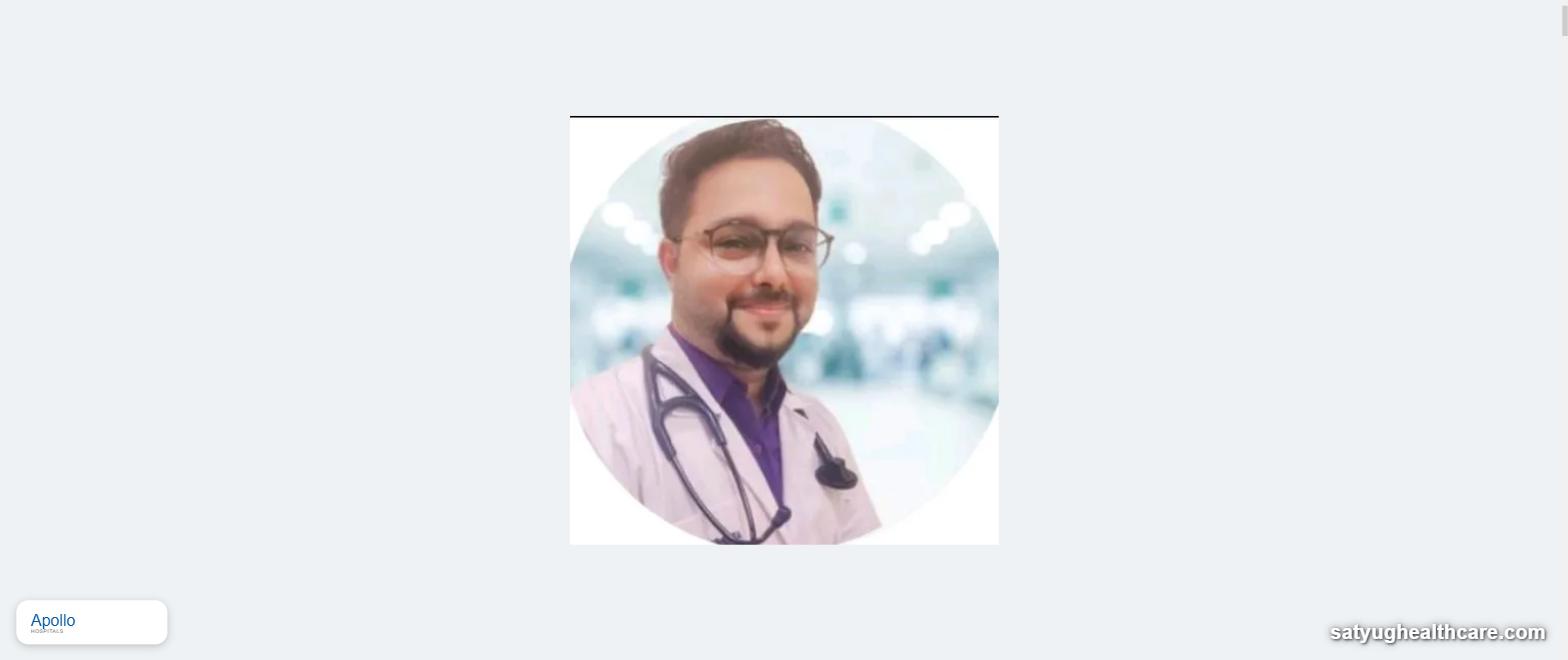
![Dr. Shweta Bansal [MBBS, MD - Pulmonary Medicine, DNB - Respiratory Diseases, DM - Pulmonary Medicine & Critical Care Medicine] - Doctor at Satyug Healthcare](https://satyughealthcare.com/uploads/doctors/763417176174.webp)




TOP HOSPITALS
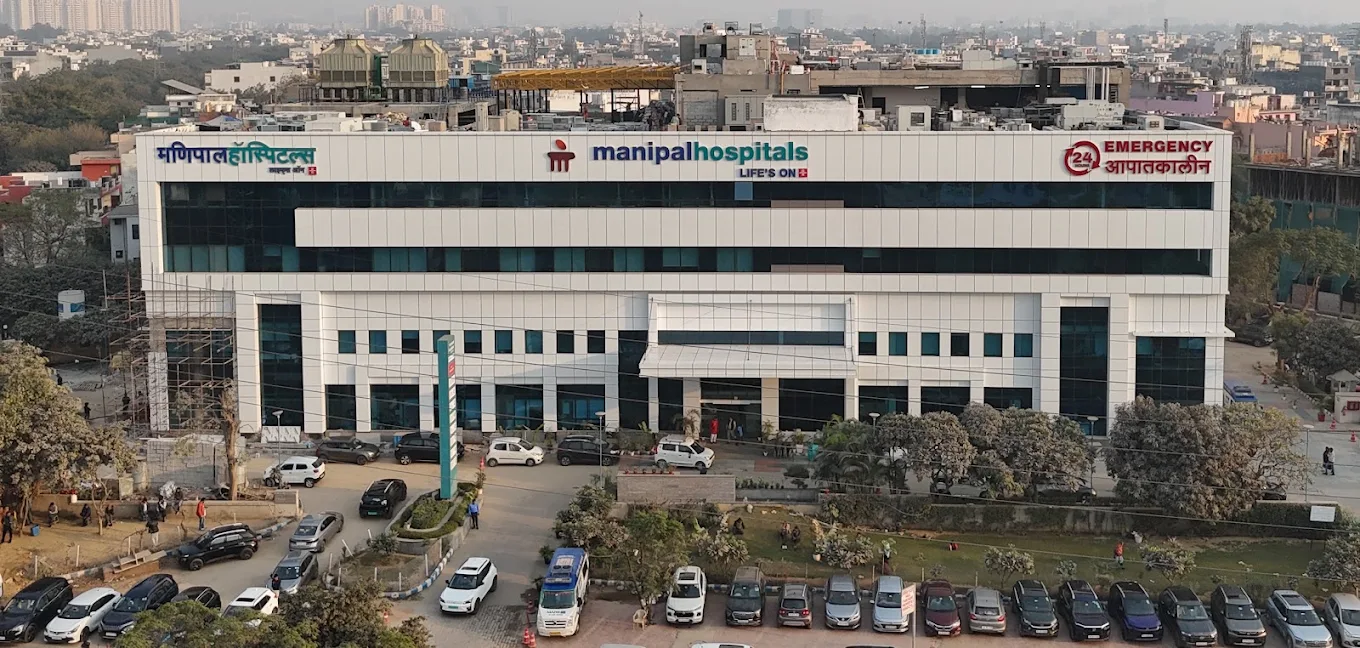
Special High-quality Hospitals




HAPPY PATIENTS
What Our Patients Are Saying


























Our Gallery