Cataract Surgery: A Comprehensive Guide
💉
About Cataract Surgery
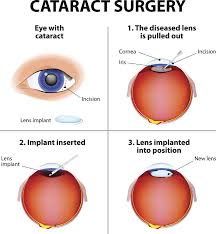
Cataract surgery is a procedure to remove a clouded lens from the eye and replace it with an artificial intraocular lens (IOL). Cataracts develop when proteins in the eye's natural lens break down, leading to blurred vision, glare sensitivity, and eventual vision loss if untreated. Cataract surgery is a highly successful and common procedure that restores clear vision, improving the quality of life for patients.
⚠
Causes of Cataracts
Cataracts develop due to several factors, including:
- ✓Aging – The most common cause due to natural protein breakdown in the eye.
- ✓Genetic Factors – A family history of cataracts increases the risk.
- ✓UV Exposure – Prolonged exposure to sunlight without protection.
- ✓Diabetes – High blood sugar levels accelerate cataract formation.
- ✓Eye Injuries – Trauma to the eye can lead to early cataract development.
- ✓Long-term Medication Use – Corticosteroids and certain drugs may contribute to cataract growth.
- ✓Smoking & Alcohol Consumption – Both increase the risk of developing cataracts.
🔴
Symptoms of Cataracts
Cataracts develop gradually and may not cause immediate vision problems. Common symptoms include:
- ✓Blurred or Cloudy Vision – Objects appear foggy or unclear.
- ✓Increased Sensitivity to Light – Bright lights or glare cause discomfort.
- ✓Poor Night Vision – Difficulty seeing in low-light conditions.
- ✓Fading or Yellowing of Colors – Colors appear less vibrant or dull.
- ✓Frequent Prescription Changes – Glasses or contacts need constant updates.
- ✓Double Vision in One Eye – Seeing multiple images in one eye.
⚠
Prevention & Risk Factors of Cataracts
🛡 Prevention Tips:
- ✓Wear Sunglasses – Protects eyes from UV radiation.
- ✓Maintain a Healthy Diet – Foods rich in antioxidants (leafy greens, fish, nuts) promote eye health.
- ✓Quit Smoking & Reduce Alcohol Intake – Lowers risk factors.
- ✓Control Blood Sugar Levels – Helps prevent diabetes-related cataracts.
- ✓Regular Eye Exams – Detects cataracts in early stages for better management.
💉
Treatment Options for Cataracts
● Non-Surgical Options (Early Stage)
- ✓Prescription Glasses – May improve vision temporarily.
- ✓Stronger Lighting – Enhancing light sources can help reduce glare.
- ✓Lifestyle Changes – Wearing sunglasses, managing diabetes, and avoiding smoking.
● Surgical Options (Advanced Stage)
When cataracts significantly affect daily activities, surgery is the only effective treatment:
- ✓Phacoemulsification (Phaco Surgery) – The most common technique, using ultrasound waves to break and remove the cloudy lens, followed by IOL implantation.
- ✓Extracapsular Cataract Extraction (ECCE) – Used for advanced cataracts, requiring a larger incision.
- ✓Femtosecond Laser-Assisted Cataract Surgery (FLACS) – Uses laser technology for precision and faster healing.
💉 Cataract Surgery Benefits
Cataract surgery is one of the most successful and commonly performed procedures worldwide. It offers several benefits, including:
- ✓Restored Clear Vision – Removes the cloudy lens and replaces it with a clear intraocular lens (IOL), significantly improving vision.
- ✓Enhanced Quality of Life – Better vision allows for more independence in daily activities like reading, driving, and recognizing faces.
- ✓Reduced Dependence on Glasses – Advanced IOL options (multifocal and toric lenses) can reduce or eliminate the need for glasses.
- ✓Improved Night Vision – Cataract removal enhances contrast sensitivity, making it easier to see in low-light conditions.
- ✓Quick & Painless Procedure – The surgery is minimally invasive, usually taking 15–30 minutes with no major discomfort.
- ✓Fast Recovery – Most patients notice vision improvement within 24–48 hours.
- ✓Lower Risk of Falls & Injuries – Clearer vision reduces the risk of accidents, especially in elderly patients.
- ✓Long-lasting Results – Once the cloudy lens is removed, cataracts do not return.
💉 Cataract Surgery Recovery Time & Aftercare
Recovery Time
- ✓First 24 Hours: Some blurriness and mild discomfort may occur. Rest is recommended.
- ✓1–2 Days: Vision starts to improve; patients can resume light activities.
- ✓1–2 Weeks: Most discomfort disappears; avoid rubbing the eyes or heavy lifting.
- ✓4–6 Weeks: Full recovery, with complete healing of the eye. Final vision adjustments may take a few months.
Post-Surgery Aftercare Tips
- ✓Use Prescribed Eye Drops – Helps prevent infection and inflammation.
- ✓Avoid Rubbing Your Eye – Protects the healing surgical site.
- ✓Wear Protective Eyewear – Sunglasses reduce light sensitivity and shield from dust.
- ✓Rest & Avoid Strenuous Activities – No heavy lifting, swimming, or bending for at least a week.
- ✓Attend Follow-up Appointments – Regular check-ups ensure proper healing.
- ✓Limit Screen Time – Reduces strain on the eyes.
- ✓Sleep on the Opposite Side – Prevents pressure on the operated eye.
⚠ Risk Factors:
- ✓Age (Above 60) – Higher likelihood of cataract formation.
- ✓Family History – Genetic predisposition to cataracts.
- ✓Prolonged UV Exposure – Increases oxidative stress in the lens.
- ✓Chronic Conditions – Diabetes, hypertension, and obesity raise the risk.
- ✓Long-term Medication Use – Steroids and certain drugs accelerate cataract growth.
💉
6. FAQ – Cataract Surgery
1. Is cataract surgery painful?
No, the procedure is performed under local anesthesia, and patients feel minimal discomfort.
2. How long does the surgery take?
The surgery typically takes 15–30 minutes per eye, with a short recovery period.
3. When should I get cataract surgery?
When vision impairment affects daily activities such as reading, driving, or recognizing faces.
4. What is the success rate of cataract surgery?
Cataract surgery has a 98% success rate, making it one of the safest eye surgeries.
5. Can cataracts return after surgery?
No, but a condition called posterior capsule opacification (PCO) may develop, which is treated with a simple laser procedure.
6. How soon will my vision improve after surgery?
Most patients notice improved vision within 24–48 hours, with full recovery in a few weeks.
7. Are there risks involved in cataract surgery?
Risks are rare but may include infection, swelling, or retinal detachment.
8. Can both eyes be treated at the same time?
Usually, surgeons operate on one eye first and perform surgery on the second eye a few weeks later.
9. Will I need glasses after cataract surgery?
Depending on the type of IOL chosen, some patients may still need reading glasses.
10. Is cataract surgery covered by insurance?
Many insurance plans cover cataract surgery, but international patients should check their policies.
💉
7. Satyug Healthcare’s Role in Arranging Cataract Surgery for International Patients in India
Satyug Healthcare specializes in medical tourism services, ensuring a smooth experience for international patients seeking affordable and high-quality cataract surgery in India.
● Services Offered:
- ✓Connecting with Top Eye Hospitals – Partnering with renowned eye centers for the best surgical outcomes.
- ✓Visa Assistance – Helping with medical visa applications and documentation.
- ✓Transparent Pricing – Offering cost-effective packages for international patients.
- ✓Travel & Accommodation Support – Airport pickup, hotel bookings, and local transport assistance.
- ✓Multilingual Support – Providing interpreters for non-English-speaking patients.
- ✓Personalized Care Management – A dedicated case manager to assist throughout the medical journey.
- ✓Post-Surgery Follow-up – Coordination with specialists for long-term recovery and care.
❓ Why Choose India for Cataract Surgery?
- ✓World-Class Ophthalmologists – Experienced and internationally accredited eye surgeons.
- ✓State-of-the-Art Facilities – Advanced laser technology and modern surgical techniques.
- ✓Cost-Effective Treatment – Up to 70% lower costs compared to Western countries.
- ✓Minimal Waiting Time – Quick scheduling for international patients.
● Conclusion
Cataract surgery is a safe, effective, and life-changing procedure that restores clear vision and improves quality of life. With Satyug Healthcare’s expert medical tourism services, international patients can access top-quality cataract treatment in India with ease and affordability.
Would you like additional details on specific hospitals, surgery costs, or patient testimonials? Let me know! ????