Lumber Micro Disectomy cost in India

LUMBER MICRO DISECTOMY treatment cost in Delhi| LUMBER MICRO DISECTOMY treatment cost in India| Delhi| Mumbai| Gurgaon| Satyughealthcare.com


Surgery Name Cost Room-Category Hospitalization
Lumber Micro Disectomy cost in India $3200 Single Patient - 3 days stay in a single room.
Inclusion Exclusion
  • Surgeon’s Fees
  • OT Charges/ Anesthetist Charges
  • Investigations related to the surgery
  • Stay for one attendant
  • Professional Fees for any other consultant
  • Any other additional procedure/surgery
  • Use of special drugs/consumables/implant
  • Exclude any other equipment like DVT pump, walker etc.
  • Any outpatient consultations, physiotherapy, medicines which are required after the discharge will not be a part of the estimate
  • Hotel/Guest house cost
Know More About Procedure & Surgery

What is Lumber Micro discectomy?

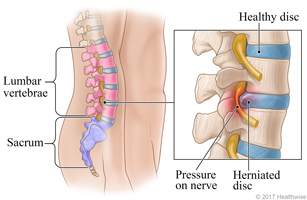
Micro discectomy, also sometimes called micro decompression or microdiskectomy, is a minimally invasive surgical procedure performed on patients with a herniated lumbar disc. During this surgery, a surgeon will remove portions of the herniated disc to relieve pressure on the spinal nerve column.

Discectomy literally means "cutting out the disc." A discectomy can be performed anywhere along the spine from the neck (cervical) to the low back (lumbar). The surgeon reaches the damaged disc from the back (posterior) of the spine—through the muscles and bone. The surgeon accesses the disc by removing a portion of the lamina. The lamina is the bone that forms the backside of the spinal canal and makes a roof over the spinal cord. Next, the spinal nerve is retracted to one side. Depending on your particular case, one disc (single-level) or more (multi-level) may be removed.

You may be a candidate for discectomy if you have:

  • diagnostic tests (MRI, CT, myelogram)that show a herniated disc
  • significant pain, weakness, or numbness in your leg or foot
  • leg pain (sciatica)worse than back pain
  • symptoms that have not improved with physical therapy or medication
  • leg weakness, loss of feeling in the genital area, and loss of bladder or bowel control.

Posterior lumbar discectomy may be helpful in treating leg pain caused by:

  • Bulging or herniated disc: The gel-like material within the disc can bulge or rupture through a weak area in the surrounding wall (annulus). Irritation and swelling occurs when this material squeezes out and painfully presses on a nerve.
  • Degenerative disc disease: As discs naturally wear out, bone spurs form and the facet joints inflame. The discs dry out and shrink, losing their flexibility and cushioning properties. The disc spaces get smaller. These changes lead to stenosis or disc herniation.

Surgery

The procedure is done under general anesthesia. You will be unconscious during the entire procedure and unable to feel anything. The procedure is performed with the patient lying face down. The process goes as follows:

  • A 1- to 1 1/2-inch incision will be made directly over the affected disc.
  • A lighted microscope is used to help your surgeon see the affected area.
  • The surgeon may remove a small portion of bone that protects the root nerve.
  • With a scissor-like tool, your surgeon will remove the damaged herniated tissue, relieving the pressure on the nerve.
  • The incision is closed with sutures.
  • The patient is usually discharged the same day or the next morning.

The spinal nerve now has the space it needs inside the spinal column, so any pain caused by pinching on the nerve should stop.

Recovery Time

The recovery time is shorter than other, more invasive procedures. Most people can expect to leave the hospital that same day, or within 24 hours. You’ll likely meet with a physical therapist and occupational therapist before leaving the hospital. These therapists will give you instructions on how to reduce the bending, lifting, and twisting you do with your back. The therapist may tell you what exercises you can do to improve the strength and flexibility of the muscles around your spine.

After surgery you may feel discomfort

  • Take pain medication as directed by your surgeon. Narcotics can be addictive and are used for a limited period of time.
  • Narcotics can also cause constipation. Drink lots of water and eat high-fiber foods. Laxatives and stool softeners such as Dulcolax, Senokot, Colace, and Milk of Magnesia are available without a prescription.
  • Ice your incision 3-4 times per day for 15-20 minutes to reduce pain and swelling. 

Restrictions

  • Avoid bending, lifting or twisting your back for the next 2 weeks.
  • Do not lift anything heavier than 5 pounds for 2 weeks after surgery. 
  • No strenuous activity for the next 2 weeks including yard work, housework and sex.
  • Do not drive for 2 weeks after surgery or until discussed with your surgeon.
  • Do not drink alcohol for 2 weeks after surgery or while you are taking narcotic medication.
  • Do not smoke. Smoking delays healing and inhibits bone growth.

Activity

  • You may need help with daily activities (e.g., dressing, bathing) for the first few days. Fatigue is common. Let pain be your guide.
  • Get up and walk 5-10 minutes every 3-4 hours. Gradually increase your walking time, as you are able. 

Bathing/Incision Care

  • Wash your hands thoroughly before and after cleaning your incision to prevent infection.
  • If you have Dermabond (skin glue) covering your incision, you may shower the day after surgery. Gently wash the area daily with soap and water. Pat dry.
  • If you have staples, steri-strips or stitches, you may shower 2 days after surgery. Remove the gauze dressing and gently wash the area with soap and water. Replace the dressing or completely remove it if no drainage. Inspect and wash the incision daily.
  • Do not submerge or soak the incision in water(bath, pool or tub).
  • Do not apply any lotions or ointments over the incision.
  • Some drainage from the incision is normal. A large amount of drainage, foul smelling drainage, or drainage that is yellow or green should be reported to your surgeon’s office.
  • Staples, steri-strips, and stitches will be removed at your follow-up appointment.

When to Call Your Doctor

  • If your temperature exceeds 101.5° F, or if the incision begins to separate or show signs of infection, such as redness, swelling, pain, or drainage.
  • Swelling and tenderness in the calf of one leg.
  • New onset of tingling or numbness in the legs or numbness in the groin area.

Risks Involved

Micro discectomy is a safe procedure and complications are rare. However, like any surgery, there are some risks. These include:

  • Dural tear (cerebrospinal fluid leak)
  • nerve root damage
  • recurrent disc herniation
  • bowel/bladder incontinence (very rare)
  • bleeding
  • infection

Frequently asked questions

How long does it take to recover from a lumbar discectomy?

The recovery time varies from 1 to 4 weeks depending on the underlying disease treated and your general health. You may feel pain at the site of the incision.

What is the success rate of Micro discectomy?

The success rate for a micro discectomy is approximately 90% to 95%, although 5% of patients may develop a recurrent disc herniation at some point in the future.

What are the risks of Micro discectomy?

  • Nerve root damage.
  • Bowel/bladder incontinence.
  • Bleeding.
  • Infection.
  • Possible buildup of fluid in the lungs that may lead to pneumonia.
  • Deep vein thrombosis, which occurs when blood clots form in the leg.
  • Pain that persists after the surgery.

How do you know if back pain is muscle or disc?

 In general, disc herniations hurt both with bending forward and with returning from bending up to an upright position. Back strains or sprains tend to hurt less with bending forward, and more with returning from a forward bend.

What is worse bulging or herniated disc?

Herniated disks are also called ruptured disks or slipped disks, although the whole disk does not rupture or slip. Only the small area of the crack is affected. Compared with a bulging disk, a herniated disk is more likely to cause pain because it generally protrudes farther and is more likely to irritate nerve roots.

Can you feel a slipped disc with your hand?

Symptoms 

Herniated Cervical Disc(neck): Pain shooting down the arm to the fingertips, numbness, tingling, or weakness in the shoulder, arm or hand, difficulty walking or maintaining balance or problems gripping or handling things.

Will an xray show a slipped disc?

Regular X-rays will not show a herniated disc, but they will give your doctor an idea of how much wear and tear is present in the spine and may show other causes of your problem. The most common test done today to diagnose a herniated disc is the MRI scan. This test is painless and very accurate.


Top doctors for LUMBER MICRO DISECTOMY treatment| Cost for LUMBER MICRO DISECTOMY |Book online appointment| Best treatment for LUMBER MICRO DISECTOMY in India. Search Results Web results for cost of LUMBER MICRO DISECTOMY treatment|

HAPPY PATIENTS

What Our Patients Are Saying

Our Gallery


Request a Call Back

WhatsApp Us