Search from 500+ procedures across top NABH & JCI accredited hospitals of India
Assistance
Consultation
Services
Opinion
Care Coordination
What will your treatment cost?

| Surgery Name | Cost | Room | Hospitalization |
|---|---|---|---|
| IMRT Radiotherapy cost in India | $3800 | in OPD | OPD Basis |
✓ Inclusion
- Room Rent,
- Cost of Surgery,
- Consultation by Primary Team in Package days,
- Basic Investigations.
- Routine Pharmacy and Consumables,
- Patient Food.
- Surgeon’s Fees.
- Anesthetist Fee.
- Operation Theatre Charges.
- Pharmacy Services Charges including Drugs &Medical Consumables
✗ Exclusion
1.Overstay more than package days,
2. Any other Specialty Consultations,
3. Special Equipment,
4. Additional Procedure/Surgery.
5. Blood Components.
Know More About Procedure & Surgery
🇮🇳 Medical Package — India
IMRT Radiotherapy cost in India
World-class treatment • NABH & JCI Accredited Hospitals • Save up to 80% vs USA/UK
What is Intensity-modulated radiation therapy (IMRT)?
Intensity-modulated radiation therapy (IMRT) is an advanced type of radiation therapy used to treat cancer and noncancerous tumors. IMRT uses advanced technology to manipulate photon and proton beams of radiation to conform to the shape of a tumor. IMRT uses multiple small photon or proton beams of varying intensities to precisely irradiate a tumor. The radiation intensity of each beam is controlled, and the beam shape changes throughout each treatment.
Why it is done?
Intensity modulated radiation therapy, or IMRT, is used to treat cancerous and noncancerous tumors. Radiation beams fit the shape of the tumor. The goal is to target the radiation to limit side effects and damage to healthy tissue. Radiation therapy, including IMRT, damages the DNA and stops cancer cells from dividing and growing, thus slowing or stopping tumor growth. In many cases, radiation therapy is capable of killing all of the cancer cells, thus shrinking or eliminating tumors. Radiation therapy may be used in conjunction with surgery (adjuvant radiation). In this scenario, radiation targets potential microscopic disease after surgery.
Preparation/Diagnosis
Before planning treatment, a physical examination and medical history review will be conducted. Next, there is a treatment simulation session, which includes CT scanning. A small mark or tattoo may be placed on the patient's skin to help align and target the equipment. The radiation oncologist uses this scan to make an individual plan for the patient. In some cases, a mask or other device to keep the patient still during treatment will be made. Sometimes the patient is instructed to follow a certain bowel and bladder preparation regimen or to fast prior to the simulation and treatment. Intravenous contrast material may be injected during the CT scan to help define the tumor better.
Occasionally, additional scanning procedures, including positron emission tomography (PET) and magnetic resonance imaging (MRI), might also be required for IMRT planning. These diagnostic images can be merged with the planning CT and help the radiation oncologist determine the precise location of the tumor target.
During Procedure
IMRT often requires multiple (fractionated) treatment sessions on different days. The radiation oncologist considers the type, location and size of the tumor, doses to normal structures, and the patient's health to decide the number of treatments. Typically, patients are scheduled for IMRT sessions five days a week for five to eight weeks.

At the beginning of the treatment session, the radiation therapist positions the patient on the treatment table, guided by the marks on the skin (tattoos) defining the treatment area. If molded devices were made, they will be used to help the patient maintain the proper position. The patient may be repositioned during the procedure. Imaging systems on the treatment machine such as x-ray or CT may be used to check positioning and marker location.
Treatment sessions usually take between 15 and 60 minutes.
Risks/side effects
Depending on the area being treated, other early side effects may include:
- ✓Hair loss in the treatment area
- ✓Mouth problems and difficulty swallowing
- ✓Eating and digestion problems
- ✓Diarrhea
- ✓Nausea and vomiting
- ✓Headaches
- ✓Soreness and swelling in the treatment area
- ✓Urinary and bladder changes
Late side effects, which are rare, occur months or years following treatment and are often permanent. They include:
- ✓Brain changes
- ✓Spinal cord changes
- ✓Lung changes
- ✓Kidney changes
- ✓Colon and rectal changes
- ✓Infertility
- ✓Joint changes
- ✓Lymphedema
- ✓Mouth changes
- ✓Secondary cancer
If you have any related query, you can send us your report on below mention email address or you can call us or whatsApp for any second opinion.
Video/tele consultation also available
E-mail address- query@satyughealthcare.com
Phone number- +91888-242-4372, +91991-065-5125
Free Medical Opinion
Expert review in 48 hours
Best Surgeon
Top specialists in India
Hospital Booking
NABH / JCI accredited
Visa Assistance
Invitation letter provided
Airport Transfer
Safe pickup & drop
Tele-Consultation
Video consult before travel
Hotel Booking
Near hospital, affordable
Multilingual Support
Arabic, French, English
📞 Get Started Today — It Is Free
Ready to Plan Your Treatment in India?
Send your medical reports and get a free expert opinion within 48 hours. Our coordinators speak Arabic, French and English.
Frequently Asked Questions
IMRT allows the radiation dose to conform more precisely to the three-dimensional shape of the tumor by changing — modulating — the radiation beam into multiple smaller beams. This enables a higher dose of radiation to be delivered to the tumor while sparing healthy tissue around it.
Top doctors for Radiotherapy-IMRT treatment| Cost for Radiotherapy-IMRT |Book online appointment| Best treatment for Radiotherapy-IMRT in India. Search Results Web results for cost of Radiotherapy-IMRT treatment|





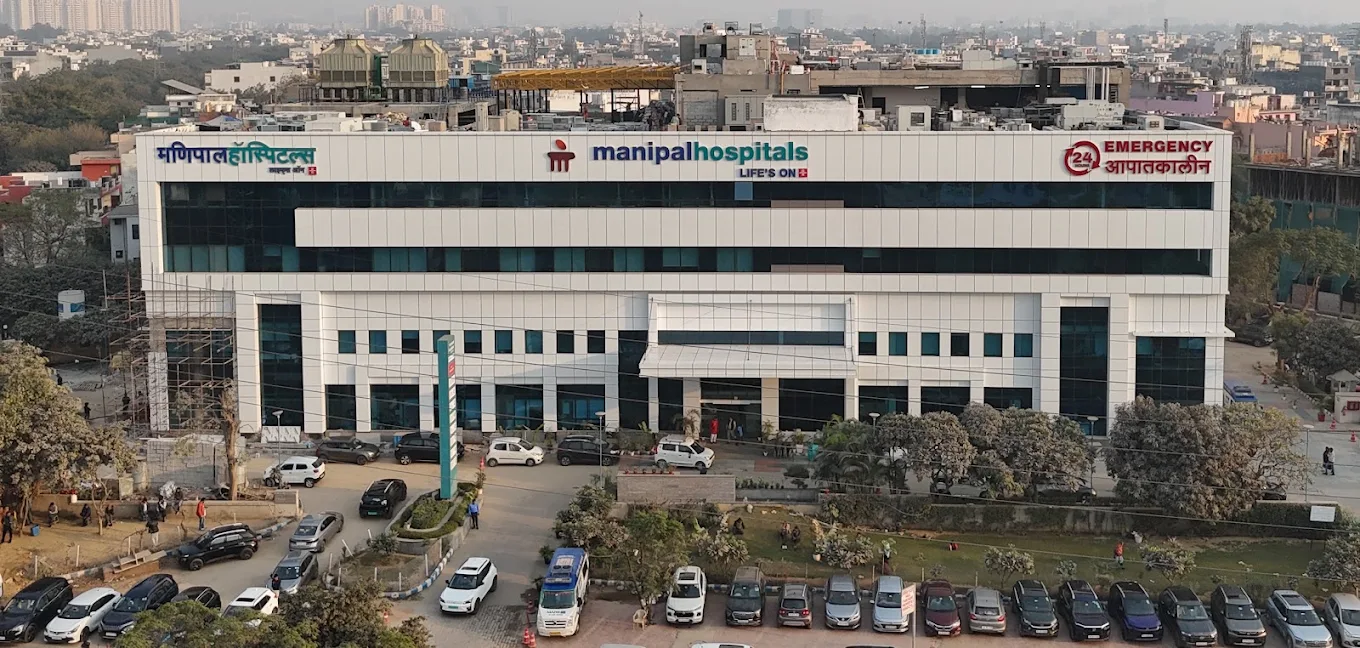
TOP HOSPITALS
Special High-quality Hospitals




HAPPY PATIENTS
What Our Patients Are Saying



























Our Gallery