Pancreatectomy Surgery cost in India
Assistance
Consultation
Services
Opinion
Care Coordination
What will your treatment cost?

| Surgery Name | Cost | Room | Hospitalization |
|---|---|---|---|
| Pancreatectomy Surgery cost in India | $5124 | Single | Patient - 7 days stay in a single room. |
✓ Inclusion
- Room Rent,
- Cost of Surgery,
- Consultation by Primary Team in Package days,
- Basic Investigations.
- Routine Pharmacy and Consumables,
- Patient Food.
- Surgeon’s Fees.
- Anesthetist Fee.
- Operation Theatre Charges.
- Pharmacy Services Charges including Drugs &Medical Consumables
✗ Exclusion
1.Overstay more than package days,
2. Any other Specialty Consultations,
3. Special Equipment,
4. Additional Procedure/Surgery.
5. Blood Components.
Know More About Procedure & Surgery
🇮🇳 Medical Package — India
Pancreatectomy Surgery cost in India
World-class treatment • NABH & JCI Accredited Hospitals • Save up to 80% vs USA/UK
What is Pancreatectomy?
A pancreatectomy is the surgical removal of all or part of the pancreas. The pancreas is an organ about the size of a hand located in the abdomen in the vicinity of the stomach, intestines, and other organs. It lies behind the stomach and in front of the spine. The pancreas has two critical functions in the body:
- ✓The production juices that help digest food
- ✓The production of hormones such as insulin and glucagon that maintain optimal blood sugar levels and help the body use and store energy from food
Conditions treated
A pancreatectomy is used to treat a number of conditions involving the pancreas including:
- ✓Acinar cell tumors
- ✓Adenocarcinoma (85% of all cancers in pancrea)
- ✓Cancer of the ampulla of Vater (ampullary cancer)
- ✓Cancer of the distal (lower portion) of the bile duct.
- ✓Cystadenocarcinoma
- ✓Cystadenoma (mucinous/serous)
- ✓Duodenal cancer
- ✓Inflammation
- ✓Islet cell tumors (neuroendocrine tumors)
- ✓Lymphoma
- ✓Necrotising pancreatitis
- ✓Neoplasms
- ✓Papillary cystic neoplasms
- ✓Severe chronic pancreatitis
- ✓Severe hyperinsulinemic hypoglycemia
- ✓Severe Trauma
Diagnosis
Patients with symptoms of a pancreatic disorder undergo a number of tests before surgery is even considered. These can include ultrasonography, x ray examinations, computed tomography scans (CT scan), and endoscopic retrograde cholangio pancreatograpy (ERCP), a specialized imaging technique to visualize the ducts that carry bile from the liver to the gallbladder. Tests may also include angiography another imaging technique used to visualize the arteries feeding the pancreas, and needle aspiration cytology, in which cells are drawn from areas suspected to contain cancer. Such tests are required to establish a correct diagnosis for the pancreatic disorder and in the planning the surgery.
How is it performed?

The pancreas is a pear-shaped gland that sits between the stomach and spine. There are three parts to the pancreas: the head, the body, and the tail. The pancreas makes digestive enzymes and hormones that regulate blood sugar. A pancreatectomy is the removal of part or the entire pancreas. It can be used to treat some cases of pancreatic cancer. There are two types of pancreatectomy:
- ✓Distal Pancreatectomy: The body and tail of the pancreas are removed. Often, the spleen is also removed. There are two ways that a distal pancreatectomy can be done:
- ✓Open Distal Pancreatectomy and Splenectomy: Removal of the pancreatic body and tail, and the spleen through an open incision (cut).
- ✓Laparoscopic Distal Pancreatectomy: Removal of the body or tail of the pancreas via laparoscopy. Laparoscopy is the use of many small incisions that surgical tools are placed through.
- ✓Total Pancreatectomy: Removal of the whole pancreas, part of the stomach and small intestine, common bile duct, gallbladder, spleen and lymph nodes.
After the Procedure
Pancreatectomy is major surgery. Therefore, extended hospitalization is usually required with an average hospital stay of two to three weeks. Some pancreatic cancer patients may also receive combined chemotherapy and radiation therapy after surgery. This additional treatment has been clearly shown to enhance survival rates.
After surgery, patients experience pain in the abdomen and are prescribed pain medication. Follow-up exams are required to monitor the patient's recovery and remove implanted tubes. A total pancreatectomy leads to a condition called pancreatic insufficiency, because food can no longer be normally processed with the enzymes normally produced by the pancreas. Insulin secretion is likewise no longer possible. These conditions are treated with pancreatic enzyme replacement therapy, which supplies digestive enzymes; and with insulin injections. In some case, distal pancreatectomies may also lead to pancreatic insufficiency, depending on the patient's general health condition before surgery and on the extent of pancreatic tissue removal.
Risks Involved
There are risks and side effects related to having a pancreatectomy. Risks and side effects may be:
- ✓Pancreatic fistula (Leakage of pancreatic juice from the place that attaches the pancreas to the intestine).
- ✓Gastroparesis/gastric ileus (Stomach paralysis).
- ✓Delayed gastric emptying.
- ✓Long term digestive complications such as bowel habit changes, malabsorption, need to change your diet, diabetes, infection and weight loss.
- ✓Bleeding.
- ✓Infection.
Recovery
The hospital stay for a pancreatectomy is often one to three weeks. While in the hospital you may have:
- ✓Abdominal drains to drain extra fluid.
- ✓Nasogastric (NG) tube (tube placed into your nose and down into your stomach) to keep your stomach empty.
- ✓Bladder catheter to empty urine from your bladder.
Depending on your situation, you may also have:
- ✓Epidural tube to deliver pain medications.
- ✓Feeding tube placed into your stomach to provide nutrition.
You may leave the hospital with some of these drains or tubes. You may also need nutrition that is given into a vein, which is called total parenteral nutrition, or TPN. Your healthcare team will give you information on your diet following surgery. Digestive enzyme supplements may be needed to prevent diarrhea, aid in food digestion, and regulation of blood sugar levels. This may be temporary or lifelong, depending on your situation.
Recovery takes anywhere from 4-8 weeks. Your healthcare provider will talk to you about activity restrictions while you are at home. Often, it is recommended that you:
- ✓Walk as much as possible.
- ✓Do not drive while taking narcotic medications for pain.
- ✓No heavy lifting, pushing, twisting, bending or pulling until cleared by your team.
- ✓Eat small frequent meals. Take supplements and enzymes as directed.
- ✓Prevent constipation by drinking fluids and/or taking stool softeners.
- ✓If insulin is required, take it as directed.
Free Medical Opinion
Expert review in 48 hours
Best Surgeon
Top specialists in India
Hospital Booking
NABH / JCI accredited
Visa Assistance
Invitation letter provided
Airport Transfer
Safe pickup & drop
Tele-Consultation
Video consult before travel
Hotel Booking
Near hospital, affordable
Multilingual Support
Arabic, French, English
📞 Get Started Today — It Is Free
Ready to Plan Your Treatment in India?
Send your medical reports and get a free expert opinion within 48 hours. Our coordinators speak Arabic, French and English.
Frequently Asked Questions
It's possible to live without a pancreas. But when the entire pancreas is removed, people are left without the cells that make insulin and other hormones that help maintain safe blood sugar levels. These people develop diabetes, which can be hard to manage because they are totally dependent on insulin shots.
Top doctors for Pancreatectomy treatment| Cost for Pancreatectomy repair|Book online appointment| Best treatment for Pancreatectomy - DISTAL + SPLENECTOMY in India. Search Results Web results for cost of Pancreatectomy treatment|





TOP HOSPITALS
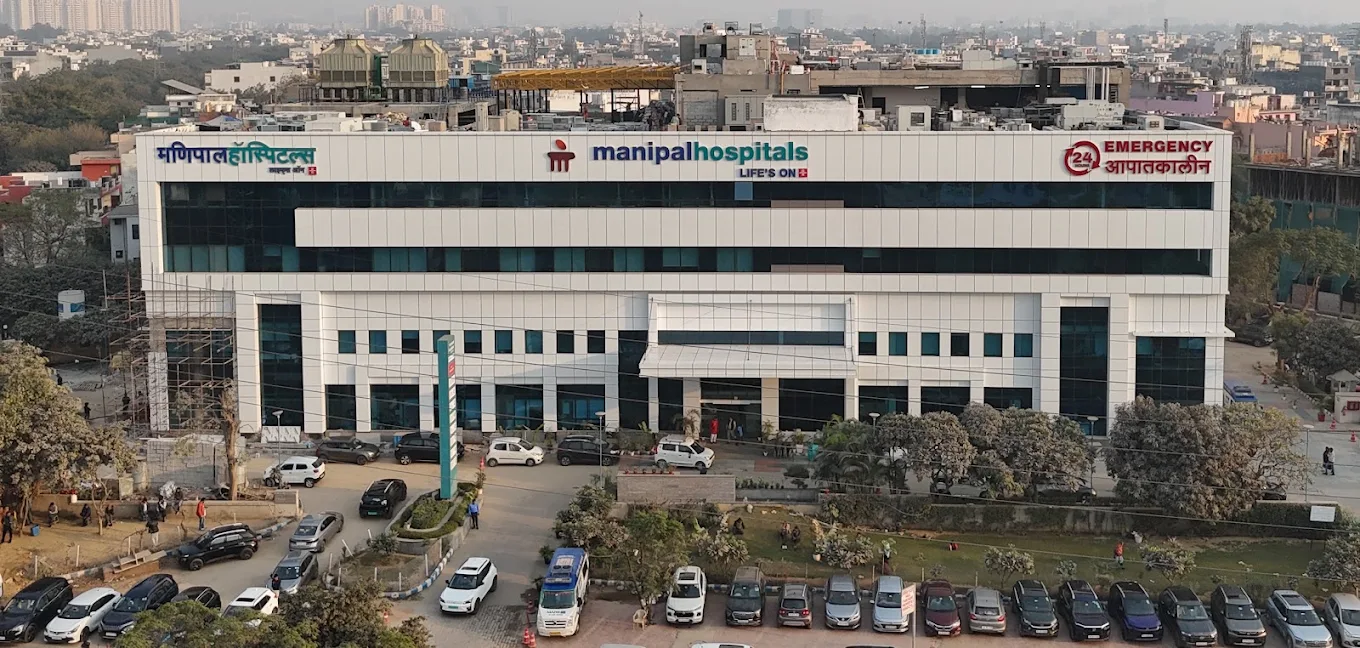
Special High-quality Hospitals




HAPPY PATIENTS
What Our Patients Are Saying





























Our Gallery