Nephroptosis Surgery Package
Assistance
Consultation
Services
Opinion
Care Coordination
What will your treatment cost?

| Surgery Name | Cost | Room | Hospitalization |
|---|---|---|---|
| Nephroptosis Surgery Package | $3626 | Single | Patient - 3 days stay in a single room. |
✓ Inclusion
- ✔Consultation with urologist
- ✔Pre-operative blood tests, ECG and chest X-ray
- ✔Laparoscopic nephropexy (one side)
- ✔Surgeon, assistant and anaesthesia fees
- ✔Operation theatre charges and standard consumables
- ✔3 days hospital stay in a single room
- ✔Nursing care and routine medicines in hospital
- ✔Urine catheter and drain care
- ✔Discharge summary and medicine plan
- ✔Review consultation before flying home
- ✔Free: airport pick-up & drop, visa invitation letter, interpreter & coordinator (Satyug Healthcare)
✗ Exclusion
- ✖International flights and visa fees
- ✖Hotel stay after discharge
- ✖CT urogram, renal scan or MRI unless included in the quote
- ✖Robotic surgery charges
- ✖Bilateral (both sides) surgery
- ✖Extra hospital days or ICU care
- ✖Medicines after discharge
- ✖Treatment of other unrelated illnesses
- ✖Attendant food and local transport
Know More About Procedure & Surgery
Nephroptosis Surgery (Laparoscopic Nephropexy) in India
Keyhole surgery to fix a dropping (floating) kidney that causes flank pain, blockage or repeated infections, performed by senior urologists at accredited Indian hospitals at a fraction of Western costs.
📖 What is Nephroptosis and Nephropexy?
The kidneys are two bean-shaped organs at the back of the abdomen that filter waste and make urine. Normally a kidney moves only 1–2 vertebrae (about 2–5 cm) when you stand up. In nephroptosis, also called a floating or wandering kidney, the kidney drops more than 2 vertebrae (over 5 cm) when you stand. It is most common in thin women and usually affects the right kidney.
Most people with nephroptosis have no symptoms and need no treatment. In some, the drop kinks the ureter or stretches the kidney's blood vessels, causing flank pain on standing, blood in urine, infections or blockage. Nephropexy is an operation that fixes the kidney back in its normal position. Today it is done by keyhole (laparoscopic) or robotic surgery with small cuts and a short hospital stay.
🖼️ Understand It in Pictures
Kidney in place vs dropped kidney, and after repair

👀 Symptoms in Pictures

🎬 The Treatment Journey in Pictures

📅 Recovery at a Glance

🩺 Conditions Treated
⚠️ Symptoms That May Need Nephropexy
- ➤Flank or back pain when standing
- ➤Pain that eases on lying down
- ➤Nausea or vomiting with the pain
- ➤Blood in urine
- ➤Repeated urine infections
- ➤A heavy, dragging feeling in the abdomen
- ➤Feeling a lump when standing
- ➤Kidney stones on the same side
🔬 Tests Before Treatment
| Test | Why it is done |
|---|---|
| IVU or CT urogram (lying and standing) | Shows how far the kidney drops when you stand – the key test. |
| Ultrasound in both positions | Checks kidney movement and swelling (hydronephrosis). |
| DTPA / MAG3 renal scan (supine and upright) | Measures kidney function and drainage in both positions. |
| Urine culture and routine | Looks for infection or blood. |
| Kidney function blood tests | Creatinine, urea and electrolytes. |
| Doppler ultrasound | Checks blood flow in the kidney vessels if needed. |
🏥 The Procedure — Step by Step

⚖️ Types & Techniques
| Technique | What is done | Best for |
|---|---|---|
| Laparoscopic nephropexy | Keyhole fixation with stitches to back muscle | Most patients – standard choice |
| Robotic nephropexy | Same repair with robotic arms for fine stitching | Complex anatomy or surgeon preference |
| Retroperitoneoscopic nephropexy | Keyhole approach from the back, without entering the abdomen | Patients with earlier abdominal surgery |
| Open nephropexy | Traditional cut in the flank | Rarely used today; failed keyhole repair |
📅 Your Day-by-Day Plan in India
| Day | What happens |
|---|---|
| Day 1 | Arrival, airport pick-up and hotel check-in |
| Day 2 | Consultation, lying/standing scans, blood tests |
| Day 3 | Admission and keyhole nephropexy |
| Day 4 | Walking, normal diet, drain removal |
| Day 5 | Discharge after 3-day hospital stay |
| Day 6–9 | Hotel rest, wound check, review with urologist |
| Day 10 | Fly home ✈️ |
🌱 Recovery After Treatment
🏆 Success Rate
| Outcome | Result |
|---|---|
| Pain relief | About 80–90% of selected patients |
| Kidney stays fixed in place | About 90%+ |
| Hospital stay | 3 days |
| Major complication rate | Under 5% |
Results are best when scans clearly show the kidney drop causing the symptoms. Pain from other causes such as back problems or bowel issues will not improve with nephropexy.
🩹 Risks & Possible Complications
Like any medical procedure, this treatment carries some risks. Your specialist will explain them in detail before treatment:
- •Shoulder-tip or wound pain for a few days (common)
- •Persistent flank pain despite repair (about 10–20%)
- •Kidney dropping again (recurrence), uncommon
- •Bleeding needing transfusion (rare)
- •Urine infection after surgery
- •Injury to bowel or blood vessels (rare, under 1%)
- •Need to convert to open surgery (rare)
💰 Cost of Nephropexy (Nephroptosis) in India
The cost of nephroptosis surgery (laparoscopic nephropexy) in India starts from about USD 3,626. This includes surgery, surgeon and anaesthesia fees, 3 days in a single room, routine medicines and nursing. Robotic surgery, extra scans or a longer stay can change the cost.
| Option / Hospital tier | Approx. cost (USD) | Hospital stay | Notes |
|---|---|---|---|
| Laparoscopic nephropexy (this package) | from 3,626 | 3 days, single room | Standard keyhole repair |
| Robotic nephropexy | 6,000 – 7,500 | 2–3 days | Robotic platform charges |
| Bilateral nephropexy | 5,000 – 6,000 | 3–4 days | Both kidneys fixed |
| Premium hospital tier | 4,500 – 5,500 | 3 days | JCI hospitals in Delhi NCR |

📋 What the Package Includes
- ✔Laparoscopic nephropexy surgery
- ✔Surgeon & anaesthesia fees
- ✔3 days in a single room
- ✔Routine medicines in hospital
- ✔Nursing care
- ✔Discharge summary
- ✔Airport pick-up and interpreter
- ✖Flights and visa fees
- ✖Hotel stay after discharge
- ✖CT urogram and renal scan
- ✖Robotic surgery upgrade
- ✖Extra hospital days
- ✖Medicines after discharge
- ✖Attendant meals
✈️ Your Medical Travel Process with Satyug Healthcare

| Step | Details |
|---|---|
| 1. Send reports | Ultrasound or CT/IVU reports (ideally lying and standing), any renal scan (DTPA/MAG3), urine tests and a short description of when the pain occurs. |
| 2. Free opinion & quotes | Within 48-72 hours you receive opinions and cost estimates from 3-5 leading hospitals to compare. |
| 3. Choose hospital & doctor | We help you compare doctors, success rates, room options and total budget. |
| 4. Medical visa | The hospital issues a Visa Invitation Letter (VIL) to the Indian Embassy. The patient and up to 2 attendants apply for an e-Medical / Medical Attendant visa. |
| 5. Travel planning | Flight guidance, wheelchair assistance, airport pick-up, hotel or guest house near the hospital. |
| 6. Treatment in India | Your coordinator and interpreter stay with you for admission, treatment, discharge and billing. |
| 7. Return & follow-up | Fit-to-fly letter, medicines, and online follow-up with your doctor after you return home. |
🎒 Travel Checklist
- 📌Valid passport (6+ months) for the patient and attendants, plus 10 passport-size photos each
- 📌Medical visa / e-visa and the hospital’s Visa Invitation Letter
- 📌All kidney scans on CD or link, urine and blood test reports, and current prescriptions
- 📌Yellow fever vaccination certificate (mandatory for travellers from African countries)
- 📌Polio vaccination certificate where applicable
- 📌Declare cash above USD 5,000 at the airport; hospitals accept wire transfer and cards
- 📌Foreigners staying longer than permitted must register with the FRRO — our team assists
⭐ Why Choose Satyug Healthcare?
❓ Frequently Asked Questions
➤ How much does nephroptosis surgery cost in India?
➤ Does every floating kidney need surgery?
➤ How long will I stay in India?
➤ Is the surgery painful?
➤ How successful is nephropexy?
➤ When can I go back to work?
➤ What are the risks?
➤ Can both kidneys be fixed?
➤ Will I need a stent or catheter?
➤ Are there non-surgical options?
➤ Can I bring a family member?
➤ What follow-up is needed at home?
➤ Will I have an interpreter?
Medical disclaimer: This page is for general information and does not replace a consultation with a qualified specialist. Treatment plans and costs are confirmed only after the patient is examined. Sources: NCBI StatPearls: Nephroptosis; Journal of Endourology – laparoscopic nephropexy series; European Association of Urology (EAU) guidance; Cleveland Clinic: Nephroptosis; Campbell-Walsh Urology. Infographics: Satyug Healthcare.
Frequently Asked Questions
The indications for laparoscopic nephropexy were renal descent of at least two vertebral bodies and the presence of either two additional objective symptoms or one objective and one subjective symptom.
Nephroptosis (floating kidney) surgery in India from USD 3,626. Laparoscopic nephropexy, 3-day stay, 80–90% pain relief. Free opinion in 48 hours.










































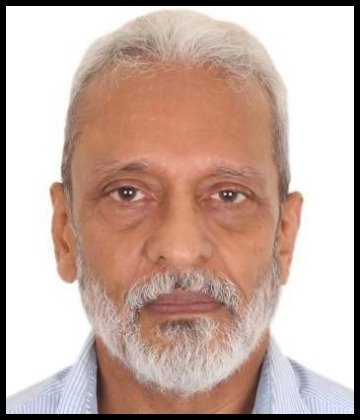
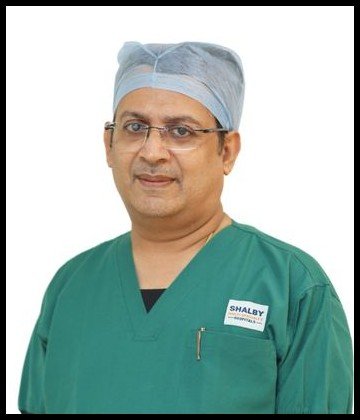
![Dr. Mithilesh Yadav [MBBS, MS, MCh - Urology] - Doctor at Satyug Healthcare](https://satyughealthcare.com/uploads/doctors/7cb73de23766d100e6ab6a857cf4d406.jpg)



























































































































































































































































































































































































































































































































































TOP HOSPITALS
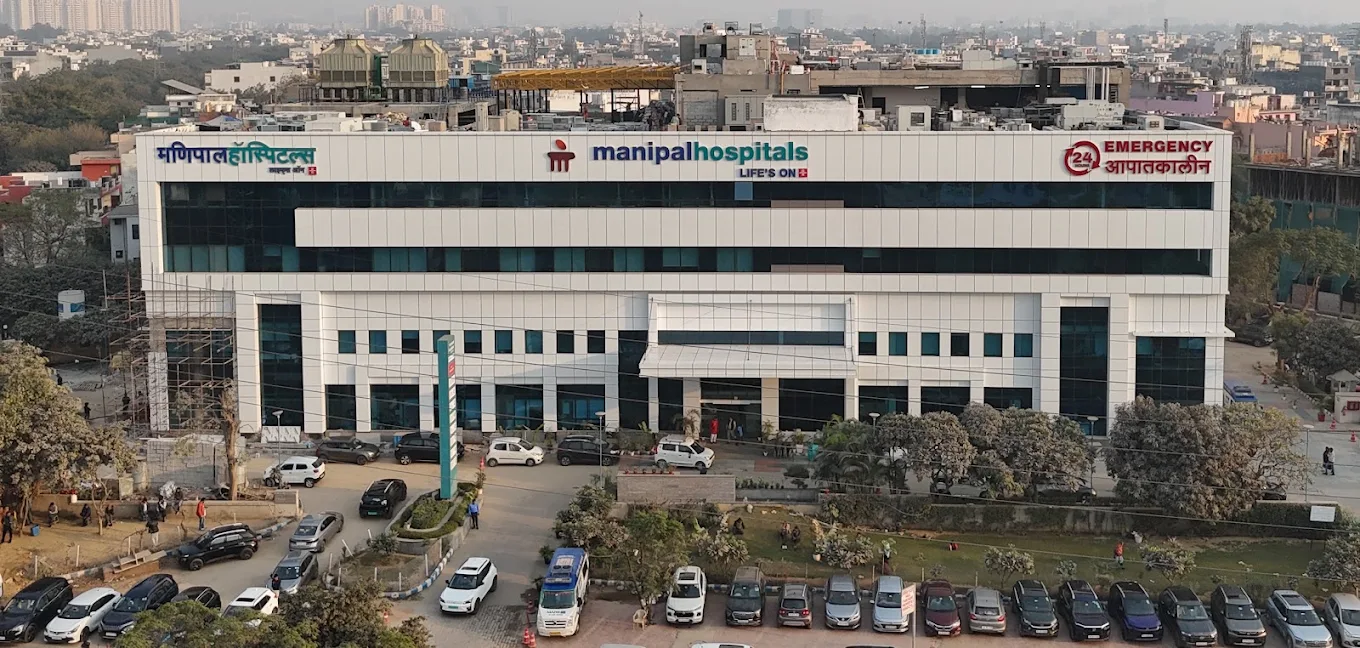
Special High-quality Hospitals


HAPPY PATIENTS
What Our Patients Are Saying






























Our Gallery