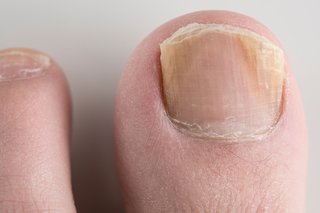
Laser therapy is a treatment for toenail fungus infection (onychomycosis), a hard-to-treat infection that changes the appearance and texture of the nail. There are several types of laser treatment options, including those that use light and those that use carbon dioxide (CO2). Fungal infections of the nails usually require several laser treatment sessions before they completely resolve. It may take between six and 18 months of consistent treatments for laser therapy to be effective. While these treatments may cause side effects such as pain and/or bleeding of the surrounding area, they are considered safe.

Laser devices emit pulses of energy that produce heat. When used to treat onychomycosis, the laser is directed so the heat will penetrate through the toenail to the nail bed where the fungus is present. When used safely, laser treatment doesn't emit enough energy to destroy all the tissue—or all of the infection. For that reason, repeat treatment is typically needed. The fungal growth is inhibited and some of the fungal microorganisms are destroyed, but since the infection can partially survive the treatment, it's unlikely that you will be completely cured with just one session.
Frequently asked questions
Q.Does laser therapy work on toenail fungus?
It is very effective. Laser kills toenail fungus and promotes clear nail growth with a single treatment in better than 80% of cases. The laser treatment is safe, effective, and most patients improve usually after their first treatment.
Q.How many laser treatments are needed for toenail fungus?
Series of 3 – 4 treatment sessions, spaced 5 – 6 weeks apart, this is essential to eradicate all fungi spores that may bloom after your initial treatment. However, significant improvement is usually seen after one treatment.
Q.Does removing toenail cure fungus?
Nail removal makes it possible to apply an antifungal cream directly to the infected area, increasing the likelihood that the infection can be cured. For a chronic severe fungal nail infection, you can choose to have the nail matrix destroyed during the removal procedure.
Q.What will a podiatrist do for toenail fungus?
Your podiatrist can detect a fungal infection early, perform a lab test, determine the cause, and form a suitable treatment plan, which may include prescribing topical or oral medication, and debridement (removal of diseased nail matter and debris) of an infected nail.
Q.What causes toenail fungus?
The most common cause is a type of fungus called dermatophyte. Yeast and molds also can cause nail infections. Fungal nail infection can develop in people at any age, but it's more common in older adults. As the nail ages, it can become brittle and dry.